
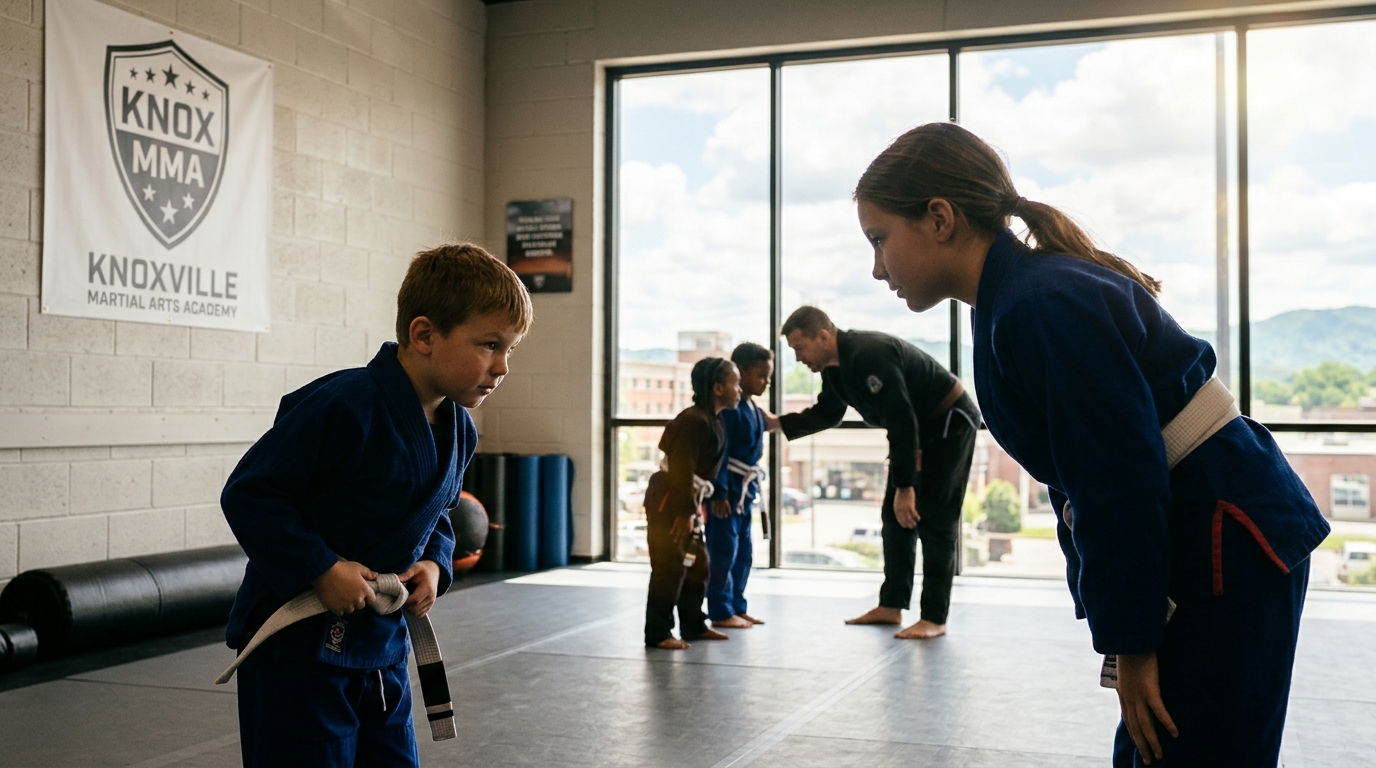
When parents in Knoxville search for martial arts schools to teach kids discipline, they often look for more than just physical fitness. They seek environments that build character, respect, and resilience. Knoxville Martial Arts Academy focuses on these developmental goals through structured programs for children. This guide explains how local training centers approach discipline and why specific methodologies matter for young learners.
The Role of Structure in Youth Development
Discipline is not simply about following orders; it is about self-regulation and emotional control. In a martial arts setting, this is taught through consistent routines and clear expectations. Children learn to manage their energy and respect boundaries when the environment is predictable yet challenging. Youth Martial Arts programs often use these structural elements to help students navigate social and academic pressures.
At Knoxville Martial Arts Academy, the approach to discipline is rooted in a culture of mutual respect. The academy emphasizes that rules are not arbitrary punishments but tools for safety and growth. When children understand the 'why' behind a rule, they are more likely to internalize it. This creates a foundation for lifelong behavioral habits that extend beyond the training mat.
Age-Appropriate Training Methodologies
Teaching discipline to a five-year-old requires a different approach than teaching a twelve-year-old. Younger children need gamified activities that keep them engaged while introducing basic concepts of focus and coordination. Little Dragons programs typically use play-based learning to build these foundational skills. As children grow, the training becomes more technical and strategic, requiring higher levels of concentration and patience.
The transition from play to structured technique is a critical phase in a child's martial arts journey. It teaches them to handle frustration and persist through difficult tasks. This process builds what educators call 'grit,' the ability to maintain effort and interest despite obstacles. By adjusting the training intensity to match the child's developmental stage, schools ensure that discipline is learned through positive reinforcement rather than fear.
Building Confidence Through Competence
Confidence and discipline are closely linked in martial arts. When a child masters a new skill, they gain a sense of self-efficacy that boosts their confidence in other areas of life. This is not about arrogance; it is about knowing one's own capabilities. Brazilian Jiu Jitsu and other grappling arts are particularly effective for this because they rely on leverage and technique rather than raw strength. This allows smaller or less athletic children to succeed, reinforcing the idea that hard work and smart thinking yield results.
At Knoxville Martial Arts Academy, the focus is on individual progress rather than competition with peers. Each student is measured against their own previous performance. This mindset shift is crucial for building healthy self-esteem. When children see that they can improve through consistent effort, they develop a growth mindset. This internal drive is the true engine of discipline, as it motivates them to show up and work hard even when no one is watching.
The Importance of a Supportive Community
Discipline is easier to maintain when a child feels supported by a community. Martial arts schools often function as a 'third place' for families, a space that is neither home nor school. This sense of belonging encourages children to commit to their training. They are motivated by their peers and coaches, creating a positive feedback loop of accountability. KMAA Culture emphasizes this community aspect, fostering an environment where students look out for one another.
A supportive community also teaches children how to interact with others respectfully. They learn to bow, greet, and thank their partners, reinforcing social etiquette. These interactions build empathy and social skills that are transferable to the classroom and the playground. When a child feels they are part of a team, they are more likely to adhere to the group's standards of behavior. This collective responsibility is a powerful tool for instilling discipline in young people.

Choosing the Right Environment for Your Child
When selecting a martial arts school in Knoxville, parents should look for a facility that prioritizes safety and positive reinforcement. The culture of the school is just as important as the curriculum. A school that values respect and patience will produce students who are disciplined and confident. About Us pages often provide insight into a school's values and mission. Parents should visit the facility, observe a class, and speak with the coaches to gauge the atmosphere.
It is also important to consider the coach's experience with children. A skilled martial artist is not always a skilled teacher of kids. Coaches need patience, creativity, and an understanding of child psychology. At Knoxville Martial Arts Academy, coaches are trained to connect with students on an emotional level, ensuring that the training is both effective and enjoyable. This holistic approach ensures that children develop discipline in a way that is sustainable and positive.
Key Takeaways
- Discipline in martial arts is built through consistent routines and clear expectations.
- Age-appropriate training methods are essential for engaging children at different developmental stages.
- Confidence grows when children master skills through effort and technique, not just physical strength.
- A supportive community fosters accountability and social skills that extend beyond the gym.
- Parents should evaluate a school's culture and coaching style to ensure it aligns with their values.
- Positive reinforcement and individual progress tracking are key to building a growth mindset.
- Safe and respectful environments are the foundation for effective youth discipline training.
Frequently Asked Questions
What age should my child start martial arts?
Most schools offer programs for children as young as three or four years old. These early programs focus on motor skills, listening, and fun. As children get older, the training becomes more technical and structured.
Does martial arts really help with discipline?
Yes, martial arts teaches self-control, respect, and perseverance. The structured environment and clear rules help children develop habits of discipline that apply to school and home life.
Is martial arts safe for kids?
When taught by qualified instructors in a safe environment, martial arts is a safe activity for children. Schools prioritize proper technique and controlled sparring to minimize injury risk.
Do I need to be athletic to start?
No, you do not need to be athletic to start. Martial arts is for everyone. The training helps improve fitness over time, but no prior experience or high level of fitness is required to begin.
How long does it take to see results in behavior?
Results vary by individual. Some children show improvements in focus and respect within a few weeks, while others may take longer. Consistency is key to seeing lasting behavioral changes.
What should I look for in a martial arts school?
Look for a school with a positive culture, experienced coaches, and a focus on character development. Visit the facility and observe a class to see if the environment feels welcoming and respectful.
Start Your Child's Journey
Building discipline is a journey that requires the right environment and guidance. Knoxville Martial Arts Academy provides a supportive space where children can learn, grow, and build confidence. To see how our programs work, consider visiting our facility to observe a class. We are here to help your child develop the skills they need to succeed in life.