
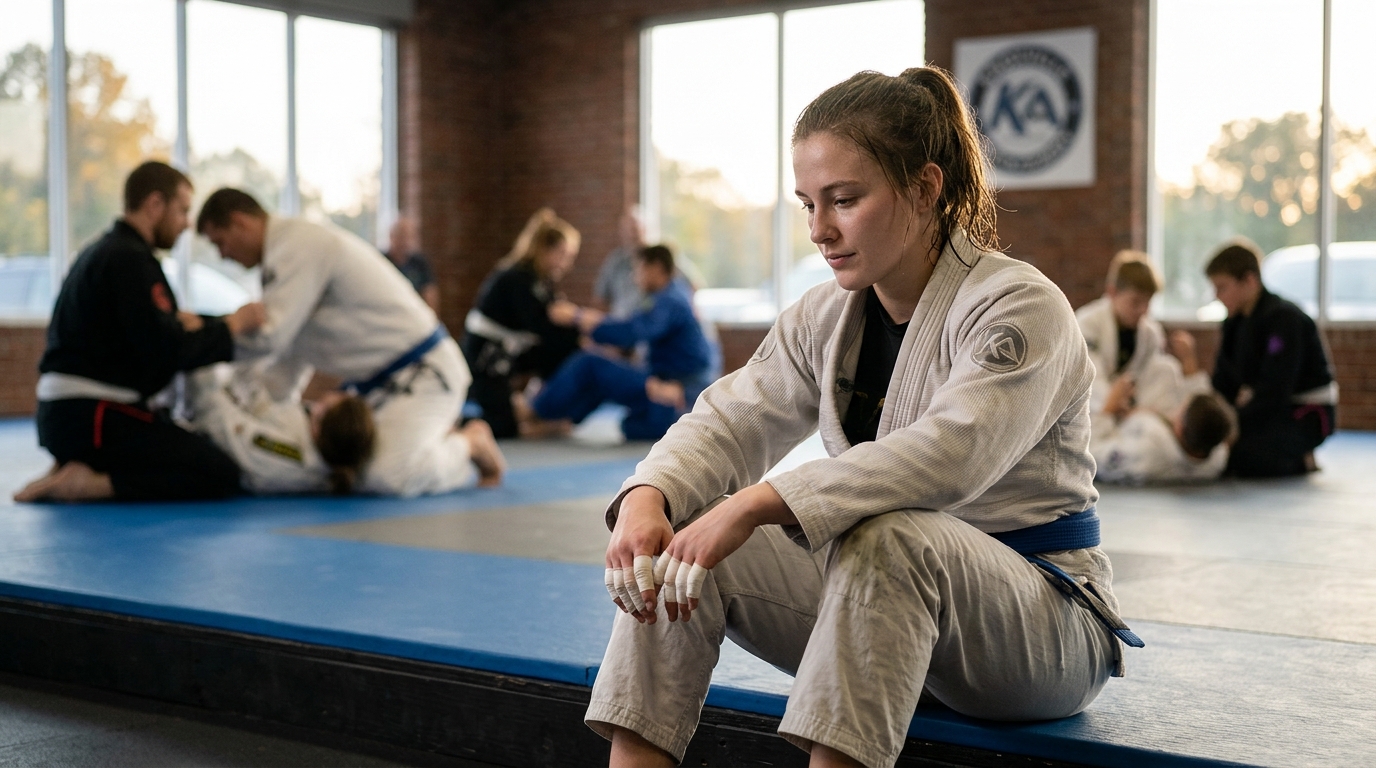
Building genuine confidence through martial arts typically takes three to six months of consistent training. This timeline allows the brain to shift from survival mode to competence, where physical skills translate into mental resilience. At Knoxville Martial Arts Academy, we observe that this transformation is not linear but follows a predictable pattern of overcoming initial fear, mastering basic mechanics, and finally integrating those skills into daily life.
The Initial Shock: Weeks 1 to 4
The first month is often the most difficult phase for new students. You are learning to move in a way that feels unnatural while simultaneously managing the anxiety of physical contact. This period is defined by what psychologists call the "dip," where motivation drops because the initial novelty has worn off but mastery has not yet arrived. At this stage, confidence is fragile and often tied to external validation rather than internal capability.
During these early weeks, the brain is in a state of high alert. Every takedown or strike feels like a threat. The goal is not to win but to survive the session. We use the Constraints-Led Approach to lower the stakes during this phase. By creating game-like scenarios with specific rules, we allow students to fail safely. This reduces the fear of failure, which is the primary barrier to confidence. You are not memorizing moves; you are learning how to process information under pressure.
The implication of this phase is that consistency matters more than intensity. Showing up twice a week for four weeks builds a neural pathway that says, "I can handle this." If you miss these early sessions, the fear response remains dominant. The evidence is in the retention rates: students who commit to the first month are significantly more likely to reach the confidence plateau later.
Competence as a Foundation: Months 2 to 3
Confidence is is the belief in one's ability to succeed in a particular situation. In martial arts, this belief is built on competence. By the second and third months, the basic mechanics of striking or grappling begin to feel less like a struggle and more like a tool. You are no longer just surviving; you are solving problems. This shift is critical because it moves the source of confidence from "I hope I can do this" to "I know I can do this."
At Brazilian Jiu-Jitsu and Kickboxing classes, this is where the "alive" training model shines. We stop drilling static techniques and start using live resistance. When you successfully defend a takedown or land a clean combination against a resisting partner, your brain registers a win. These small wins accumulate. They are not about beating someone; they are about proving to yourself that you have the tools to handle a physical challenge.
The evidence for this phase is visible in body language. Students who have reached this stage stand taller. They make eye contact more readily. They stop apologizing for taking up space. This is not arrogance; it is the natural result of knowing your limits and respecting them. The implication is that confidence becomes a byproduct of skill acquisition. You do not "think" your way into confidence; you train your way into it.
Integration and Resilience: Months 4 to 6
By the fourth to sixth month, the skills you have learned begin to integrate into your identity. You are no longer just a student who goes to the gym; you are a martial artist. This identity shift is where real confidence takes root. It is no longer situational; it is a baseline state. You carry the discipline, the respect, and the physical capability into your work, your relationships, and your daily interactions.
This phase is also where resilience is tested. You will hit plateaus. You will lose sparring rounds. You will feel frustrated. However, because you have already built a foundation of competence, you do not panic. You view failure as feedback, not as a verdict on your worth. This is the core of the Whānau culture at KMAA. We support each other through these plateaus. You are not alone in the struggle. The community provides a safety net that allows you to take risks and grow.
The implication of this phase is that confidence becomes durable. It is not easily shaken by a bad day at work or a difficult conversation. You have a reservoir of self-belief that you can draw from. This is the difference between "fake it till you make it" and genuine self-assurance. The evidence is in the long-term retention of our students. Many have been training with us for over a decade, and their confidence is a defining feature of their character.
The Role of Safety and Trust
Confidence cannot be built in an environment of fear. If you are worried about being hurt, humiliated, or disrespected, your brain will prioritize survival over learning. This is why the safety of the training environment is paramount. At KMAA, we have built a proprietary safety protocol called CombatCare. This is not just a set of rules; it is a culture of respect and consent. Every coach is trained to recognize and prevent harmful behavior. Every student is expected to respect boundaries.
This safety allows you to let your guard down. You can push your limits without fear of malice. You can make mistakes without fear of judgment. This psychological safety is the soil in which confidence grows. Without it, you will always be holding back. With it, you can fully engage with the training and the community. The evidence is in the testimonials from our students, who often mention the sense of safety and belonging as a key reason for their continued training.
The implication is that choosing the right gym is as important as the training itself. A gym that prioritizes safety and respect will help you build confidence faster and more sustainably. A gym that tolerates ego or aggression will hinder your progress. At KMAA, we are committed to creating an environment where everyone can grow.
Key Takeaways
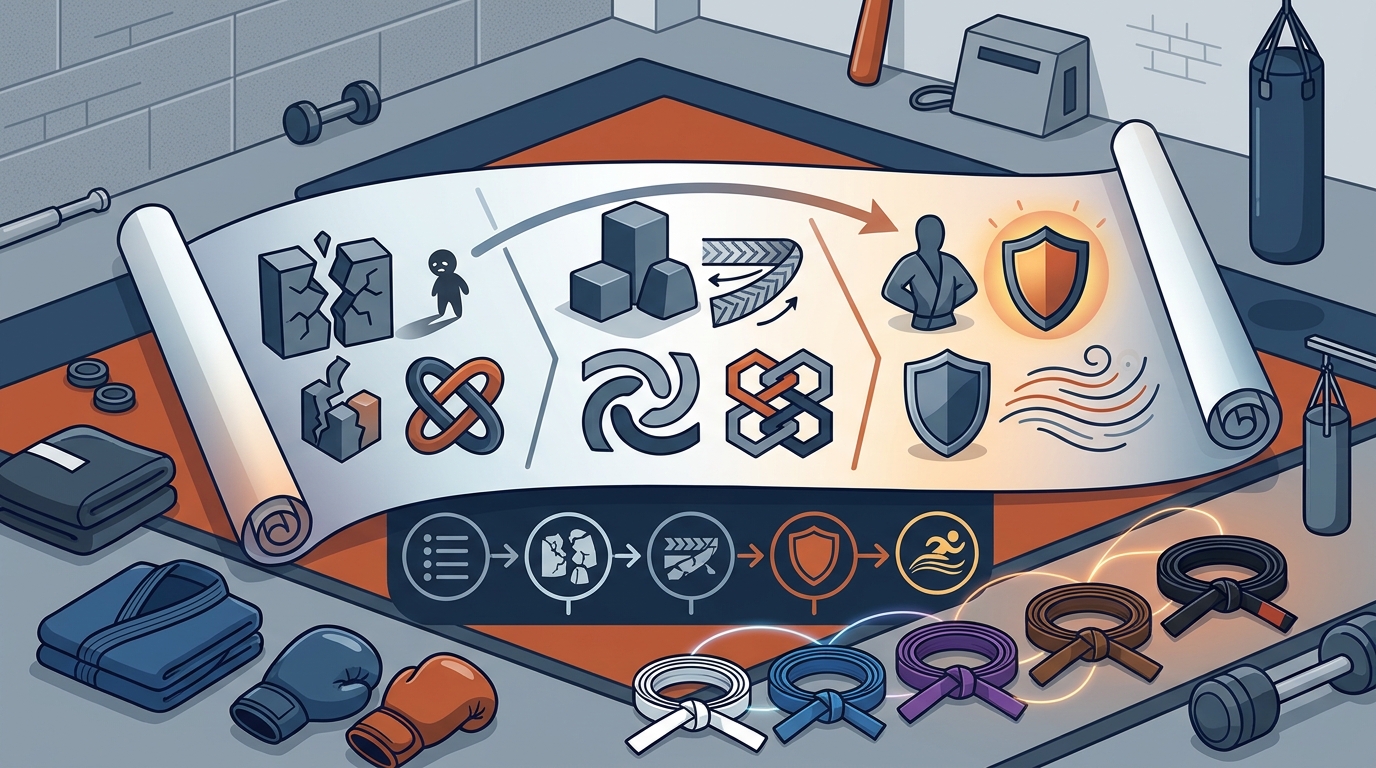
- Initial confidence is fragile and often tied to external validation in the first month.
- Competence, not motivation, is the primary driver of lasting confidence.
- The "dip" in motivation during weeks 2-4 is normal and a sign of neural adaptation.
- Live, resistance-based training accelerates the shift from fear to competence.
- Identity shift occurs around month 4, where martial arts becomes part of who you are.
- Safety and trust are prerequisites for building genuine self-assurance.
- Consistency over intensity is the most reliable predictor of long-term confidence.
Frequently Asked Questions
How often should I train to build confidence?
Twice a week is the minimum for noticeable progress. Three to four times a week will accelerate the timeline. Consistency is more important than the number of sessions per week.
What if I am not athletic?
Martial arts is for everyone. You do not need to be athletic to start. In fact, many of our most confident students started with no athletic background. The training will build your fitness as you build your skills.
Is it safe for beginners?
Yes, when trained in a safe environment. At KMAA, we use a progressive curriculum that starts with low-intensity drills and gradually increases the challenge. Our CombatCare protocol ensures that all training is conducted with respect and consent.
How do I know if I am making progress?
Progress is often invisible in the short term. Look for changes in your body language, your ability to handle stress, and your willingness to take on new challenges. Ask your coaches for feedback. They can see progress that you might not notice yourself.
Can I build confidence if I am shy?
Yes. Martial arts is one of the best ways to overcome shyness. It provides a structured environment where you can practice social interaction and physical presence. You do not have to be the loudest person in the room to be confident.
What is the difference between confidence and arrogance?
Confidence is quiet and based on competence. Arrogance is loud and based on a need for validation. True confidence does not need to prove itself. It is evident in how you treat others and how you handle adversity.
Start Your Journey
Building confidence through martial arts is a process, not a destination. It requires patience, consistency, and a supportive environment. At Knoxville Martial Arts Academy, we are here to guide you through every step of the journey. Whether you are a complete beginner or a seasoned athlete, we have a place for you on the mats. Come see what you are capable of.