
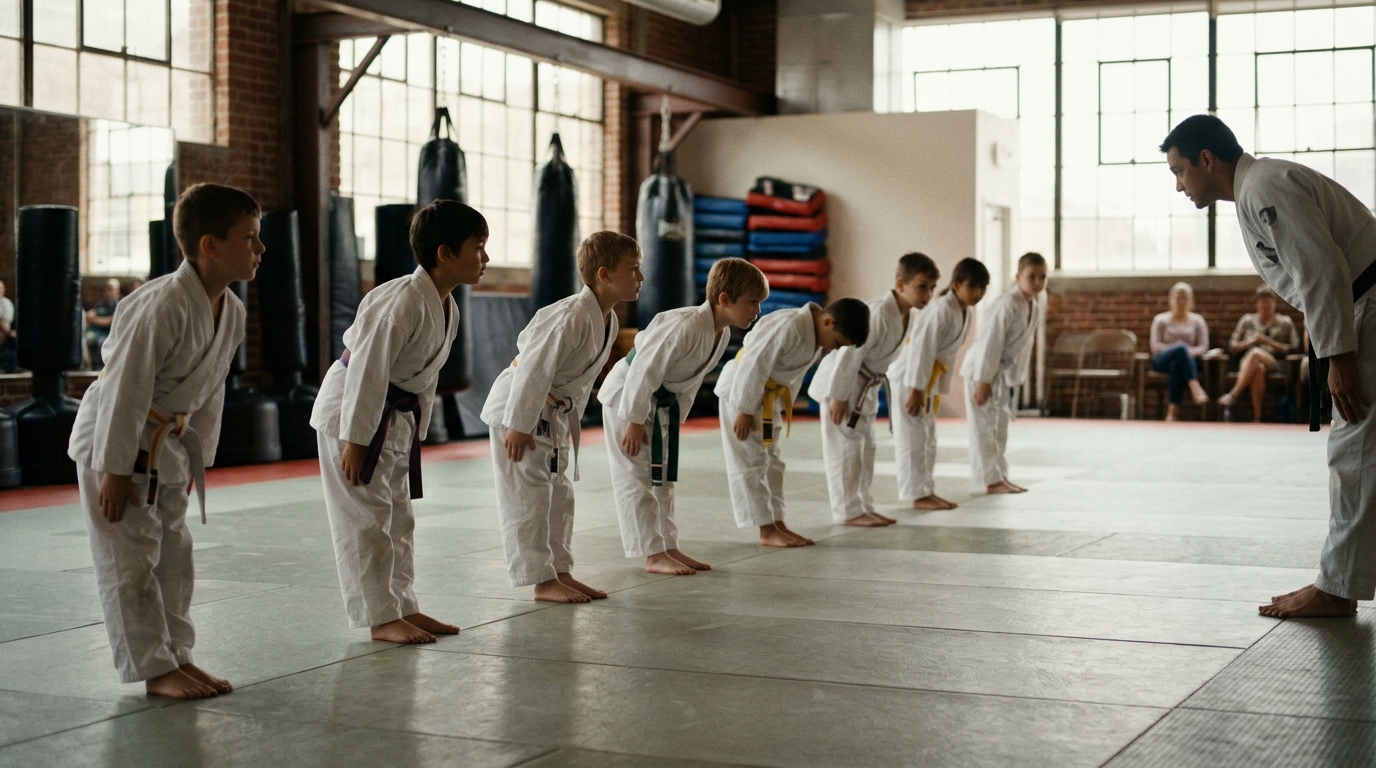
Parents in Knoxville often seek youth karate to build discipline and respect in their children. Martial arts training provides a structured environment where kids learn self-control, respect for others, and perseverance through consistent practice. At Knoxville Martial Arts Academy, we focus on character development alongside physical skills, ensuring students grow into confident, respectful individuals. This guide explains what to expect from youth programs and how they shape a child's mindset.
Why Discipline Matters in Youth Training
Discipline is the ability to control one's behavior and emotions in accordance with rules and standards. In a martial arts setting, discipline is not about punishment; it is about self-regulation. When a child learns to follow instructions, manage frustration, and stay focused during a difficult drill, they are building neural pathways for self-control. These skills transfer directly to the classroom and home life. A student who can remain calm under pressure on the mat is better equipped to handle academic stress or social conflicts off the mat.
At Youth Martial Arts classes, coaches emphasize the process over the outcome. Children learn that effort and consistency yield results, not just talent. This mindset shift is crucial for long-term success in any endeavor. By breaking down complex movements into manageable steps, instructors help kids experience small wins that compound over time. This builds a growth mindset, where failure is viewed as feedback rather than a permanent state.
How Respect Is Taught in Practice
Respect is a fundamental value in martial arts, extending to instructors, peers, and oneself. In class, students learn to bow, listen attentively, and treat their training partners with care. This is not just ritual; it is a practical lesson in empathy and social awareness. When a child learns to control their physical power and respect their partner's boundaries, they are developing emotional intelligence. This is particularly important in an era where digital interactions often lack face-to-face nuance.
The KMAA culture is built on the concept of Whānau, or extended family. This creates a safe space where respect is modeled and reinforced daily. Coaches do not just teach techniques; they model the behavior they expect. Students see that respect is earned through actions, not just words. This consistent reinforcement helps children internalize these values, making them a natural part of their character rather than a forced rule.
Beyond Belt Rank: The Real Curriculum
Many parents focus on belt promotions as the primary goal of martial arts. While earning a new belt is a significant milestone, it is a byproduct of the real curriculum: character development. The belt system provides a clear structure for progress, giving children a tangible goal to work toward. However, the true measure of success is how a child behaves when no one is watching. Do they help a classmate who is struggling? Do they apologize when they make a mistake? Do they show up even when they are tired or upset?
Our Training Philosophy uses the Constraints-Led Approach to create realistic scenarios where these values are tested. Instead of just drilling moves in a line, students engage in live, game-like situations. This forces them to make decisions under pressure, requiring them to manage their emotions and respect their opponents. This type of training builds resilience and adaptability, skills that are invaluable in a rapidly changing world.
The Role of Parents in the Process
Parents play a critical role in reinforcing the lessons learned in class. Consistency is key; showing up to class regularly, even when it is inconvenient, teaches children the value of commitment. Praise effort and attitude, not just results. If a child struggles with a technique, acknowledge their hard work and patience. This reinforces the idea that progress is a journey, not a destination. Avoiding pressure to win or promote quickly helps maintain a healthy relationship with training.
Communication with coaches is also essential. If you have concerns about your child's behavior or progress, speak with the instructor. Coaches are trained to observe subtle changes in a child's demeanor and can provide insights that parents might miss. This partnership between home and academy ensures that the values taught on the mat are supported in daily life. It creates a unified front that helps the child understand the importance of discipline and respect.
Safety and Support in a Martial Arts Environment
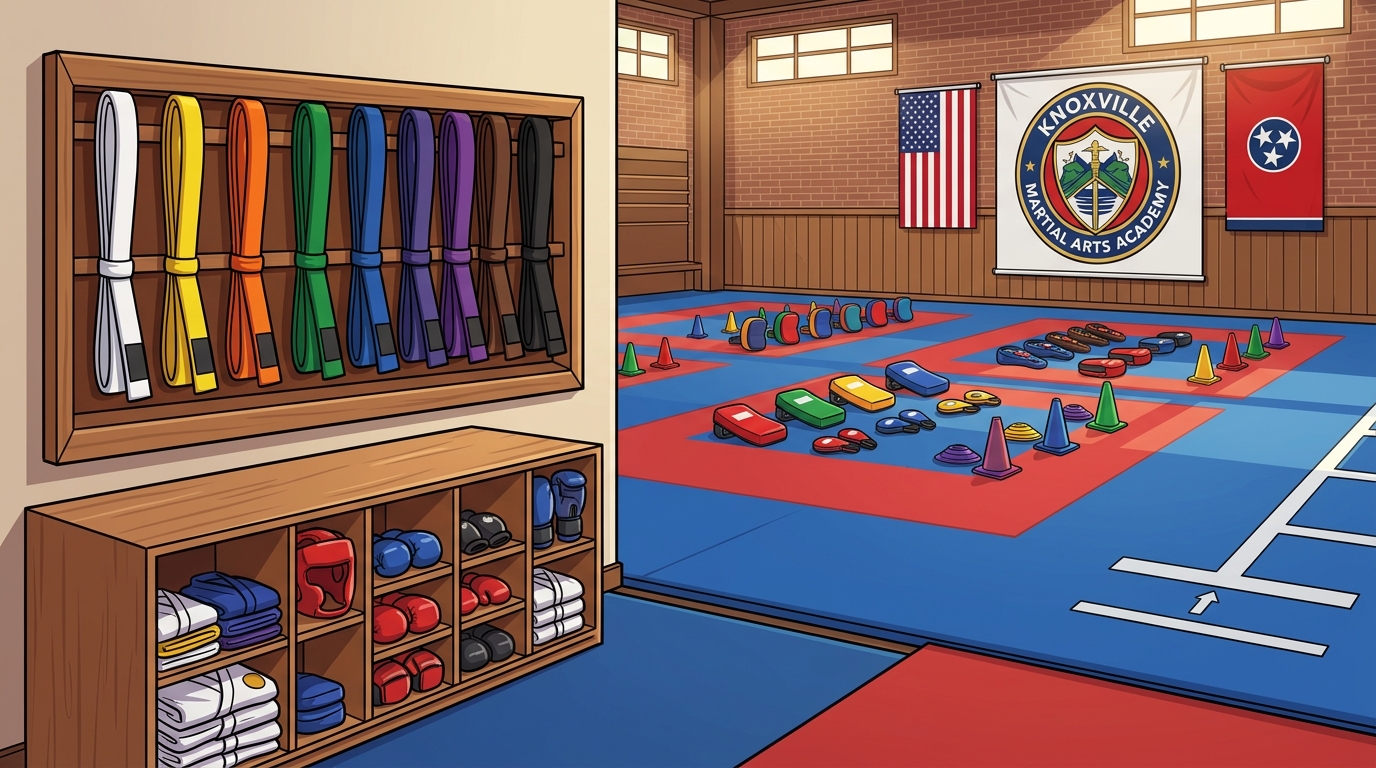
Safety is a top priority in any youth program. At CombatCare, we have implemented a proprietary protective protocol adapted from the U.S. Center for SafeSport framework. This ensures that every coach is trained in recognizing grooming behaviors, enforcing clear consent, and maintaining appropriate boundaries. This creates an environment where children feel safe to push their limits without fear. Parents can rest assured that their child is in a space where their well-being is protected.
Key Takeaways
- Discipline in martial arts is about self-regulation and emotional control, not just following rules.
- Respect is taught through daily interactions, modeling, and practical lessons in empathy.
- Belt rank is a marker of progress, but character development is the true curriculum.
- Parents should praise effort and attitude, and maintain open communication with coaches.
- Safety protocols like CombatCare ensure a secure environment for youth training.
- Consistent attendance and a growth mindset are key to long-term success in martial arts.
Frequently Asked Questions
What age should my child start youth karate?
Most children can begin martial arts training between the ages of 3 and 5, depending on their developmental stage. Programs like Little Dragons are designed for the youngest students, focusing on fundamental movement skills and fun. As children grow, they can transition to more structured youth programs that emphasize discipline and respect.
Does martial arts make kids more aggressive?
No, martial arts actually teaches self-control and respect. Students learn to manage their emotions and physical power, which typically results in less aggressive behavior. The focus is on using skills for self-defense and personal growth, not for conflict.
How often should my child attend classes?
Consistency is more important than frequency. Attending two to three classes per week is a good starting point. This allows children to build habits and see progress without becoming overwhelmed. The key is to make it a regular part of their routine.
What should I expect in a typical class?
A typical class includes warm-ups, technique instruction, drills, and sparring or game-like activities. Coaches emphasize safety, respect, and effort. Children will learn new skills, practice with partners, and receive feedback on their progress. The atmosphere is supportive and encouraging.
How do I know if martial arts is right for my child?
Consider your child's interests and personality. Martial arts suits children who enjoy physical activity, structure, and challenge. It is also beneficial for children who need to build confidence or learn self-control. An introductory session can help you and your child decide if it is a good fit.
Start Your Child's Journey Today
Youth karate in Knoxville offers a powerful tool for building discipline and respect in children. By providing a structured, safe, and supportive environment, martial arts helps kids develop the character traits they need to succeed in life. At Knoxville Martial Arts Academy, we are committed to helping your child reach their full potential, both on and off the mat. To plan your visit, contact our team.