
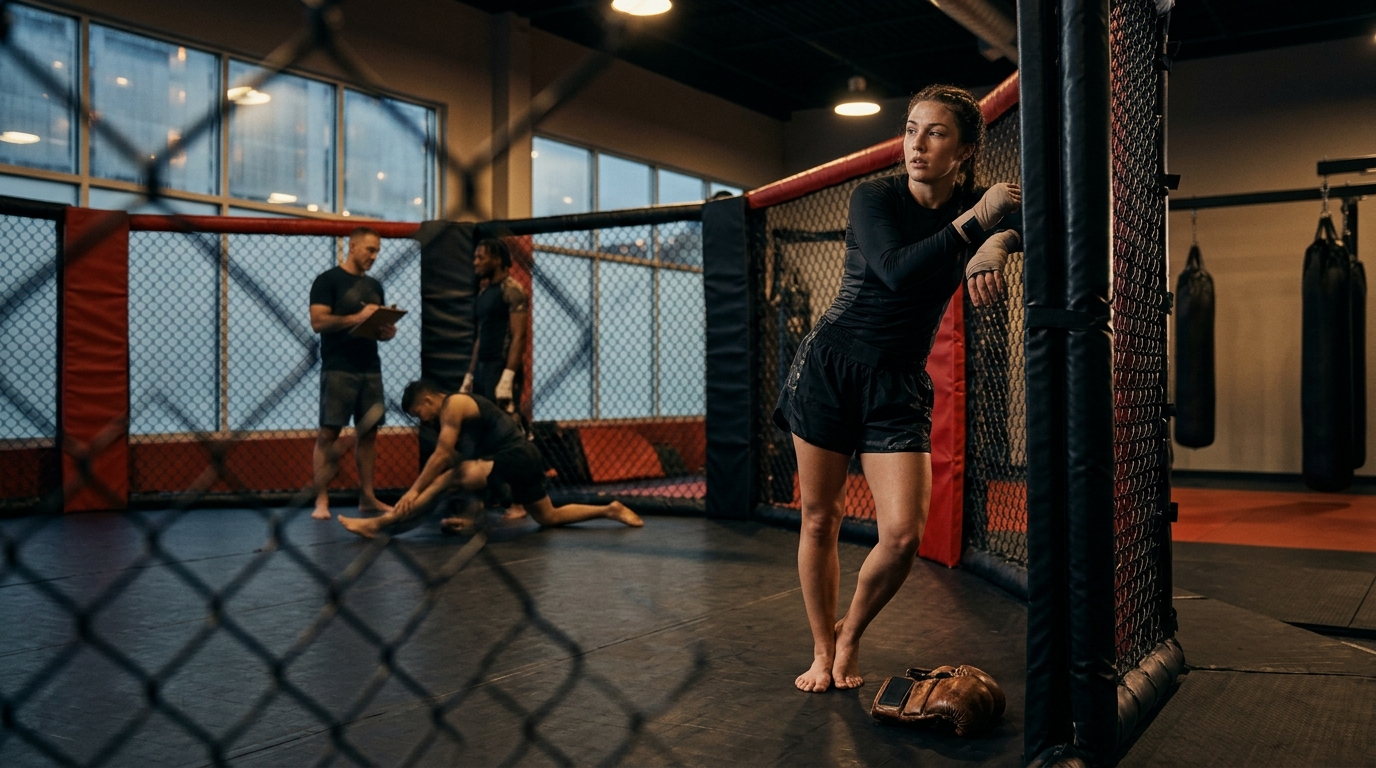
For your first amateur MMA fight in Knoxville, you need a gym that teaches integrated striking and grappling with a focus on competition readiness. Knoxville Martial Arts Academy offers a data-driven curriculum designed to prepare athletes for the cage. This guide covers how to choose a gym, verify credentials, understand costs, and navigate the timeline to your first bout.
How to Choose a Gym
Choosing a gym for amateur MMA requires looking beyond marketing materials. You need a facility that teaches integrated skills rather than isolated disciplines. A good gym will have a clear methodology for blending striking, wrestling, and grappling. Knoxville Martial Arts Academy uses the Constraints-Led Approach to ensure skills transfer to real fights. This method focuses on problem-solving under pressure rather than rote memorization.
Integrated Curriculum
Many gyms teach kickboxing and Brazilian Jiu-Jitsu separately. This creates a gap in your skill set. You need a place that teaches how to transition from standing to the ground seamlessly. Look for a gym that emphasizes takedown defense and ground-and-pound integration. The curriculum should reflect the reality of the cage, where ranges constantly shift.
Coaching Experience
The experience of the head coach matters significantly. A coach with decades of experience in elite competition understands the nuances of fight preparation. They know how to manage an athlete's physical and mental state. At KMAA, the coaching staff has produced talent that has competed at the highest levels of the sport. This depth of experience is a critical factor in your choice.
What to Ask Before Committing
Before signing a contract, you must ask specific questions to gauge the gym's suitability. Do not be afraid to ask about their competition record. Ask how they prepare students for their first amateur fight. Inquire about the ratio of live sparring to technical drilling. A transparent gym will answer these questions without hesitation.
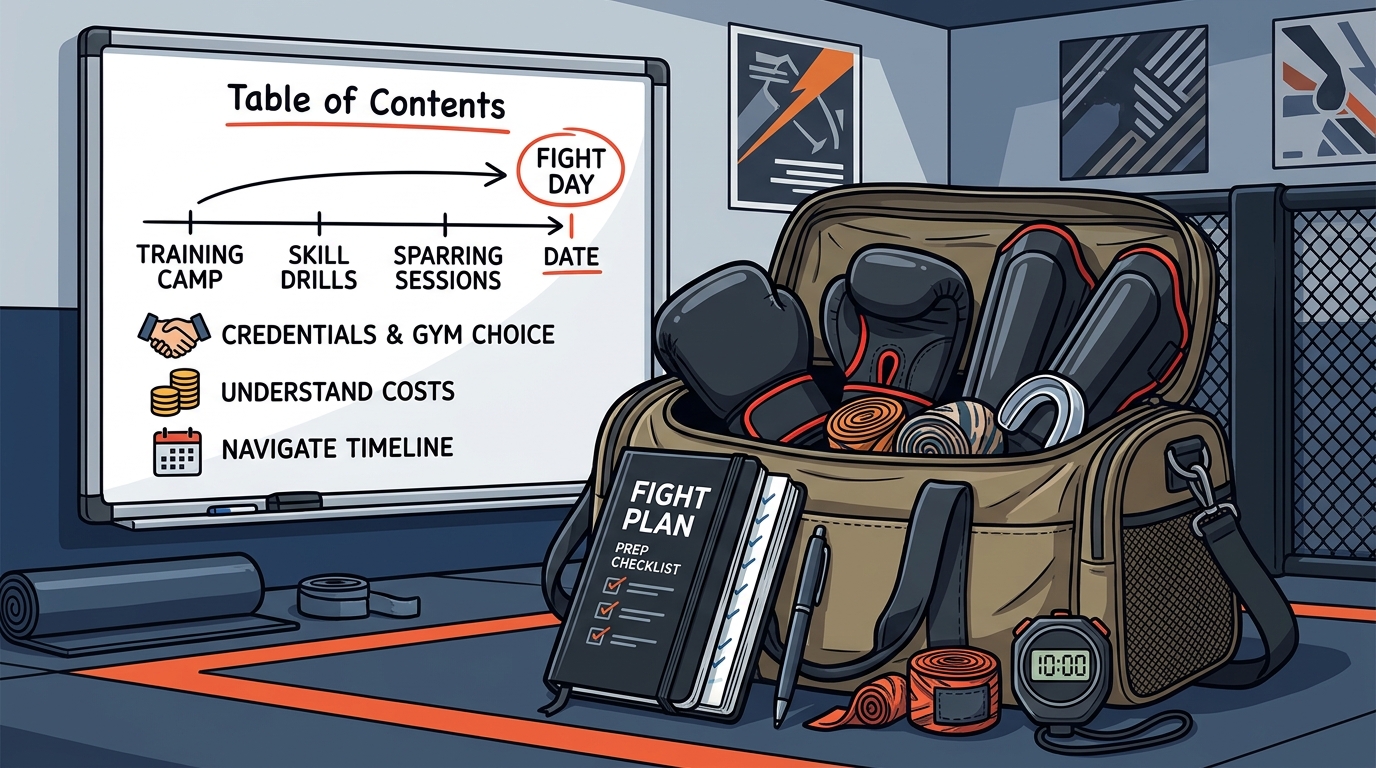
Competition Support
Ask if the gym actively supports amateur fighters. Do they help with weight cutting? Do they have a strategy for fight week? Some gyms are purely recreational and do not support competition. You need a partner that is invested in your success in the cage. The KMAA Process is designed to track progression and prepare athletes for competition.
Class Structure
Ask about the class schedule and intensity. Do they offer open mats? How many classes per week are recommended for a beginner? Understanding the time commitment is essential. You need to know if the gym's schedule fits your life. Consistency is key to progress, so the schedule must be sustainable for you.
How to Verify Credentials
Claims of elite training are common in the martial arts industry. You must verify these claims independently. Check the coaching staff's backgrounds. Look for verifiable competition records. A legitimate gym will not mind you checking their credentials. If they are evasive, that is a red flag. Verify that the gym is licensed and insured. This protects you in case of injury.
Check Online Presence
Search for the gym and its coaches on social media. Look for videos of classes and competitions. Read reviews from current and former students. Pay attention to recurring themes in the feedback. Are students staying for years? Do they mention a supportive culture? The KMAA Chronicles offers insights into the coaching philosophy and culture.
Visit in Person
Visit the gym before committing. Observe the interactions between coaches and students. Is the environment respectful? Do students seem engaged? A healthy gym culture is evident in the behavior of the members. If the atmosphere feels toxic or overly aggressive, look elsewhere. You want a place where you feel safe and supported.
How the Process Works
Preparing for your first amateur MMA fight is a structured process. It begins with foundational skill acquisition. You will learn basic striking, takedowns, and submissions. As you progress, you will move to live sparring. This is where you test your skills against resisting opponents. The process is iterative and requires consistent feedback from coaches.
Phase One: Foundations
The first few months focus on building a base. You will learn stance, footwork, and basic techniques. The goal is to develop muscle memory and confidence. You will not be sparring heavily during this phase. The focus is on technical precision and safety. This foundation is crucial for long-term progress.
Phase Two: Integration
Once you have a solid base, you begin integrating skills. You will practice transitions between striking and grappling. This is where the Constraints-Led Approach shines. You will solve problems in game-like scenarios. Your coach will provide specific feedback on your performance. This phase builds your fight IQ and adaptability.
What It Costs
The cost of training for amateur MMA varies by gym and location. In Knoxville, you can expect to pay a monthly membership fee. This fee typically covers access to all classes. Some gyms charge extra for open mats or specific programs. You should also budget for gear, such as gloves, mouthguard, and shin guards. Competition fees and travel costs are additional expenses.
Membership Fees
Monthly fees are the primary cost. They can range from moderate to high depending on the gym's reputation and facilities. Knoxville Martial Arts Academy offers a day pass for $20 for two classes, allowing you to experience the training before committing. This is a low-risk way to evaluate the gym. Long-term memberships may offer discounts, but always read the contract carefully.
Hidden Costs
Be aware of hidden costs. Some gyms charge for background checks or waivers. Competition entry fees can be significant. Weight cutting may require dietary supplements or coaching. Factor these into your budget. A transparent gym will outline all costs upfront. Avoid gyms that are vague about pricing.
Common Mistakes to Avoid
Many beginners make mistakes that hinder their progress. One common error is training too hard too soon. This leads to injury and burnout. You must respect the learning curve. Another mistake is ignoring the mental aspect. Fighting is as much psychological as it is physical. You need to develop resilience and focus. Finally, do not skip the fundamentals. Advanced techniques are useless without a strong base.
Injury Prevention
Listen to your body. If something hurts, stop. Do not push through pain. Proper technique is the best injury prevention. A good gym will emphasize safety and proper form. CombatCare is a safety protocol that ensures a respectful and safe training environment. This is crucial for long-term health.
Mental Burnout
Training for a fight is mentally demanding. You may experience stress and anxiety. Find ways to manage this stress. Meditation, visualization, and rest are important. A supportive gym culture can help you navigate these challenges. You are not alone in this journey. Lean on your coaches and training partners.
Versus Alternatives
You have alternatives to training at a dedicated MMA gym. You could train in a kickboxing-only gym or a BJJ-only academy. However, these options have limitations. A kickboxing gym will not teach you takedown defense. A BJJ gym will not teach you striking. You need an integrated approach for MMA. A dedicated MMA gym provides the complete skill set required for the cage.
| Option | Pros | Cons |
|---|---|---|
| Dedicated MMA Gym | Integrated skills, competition focus | Higher cost, intense training |
| Kickboxing Gym | Cardio, striking focus | No grappling, no takedown defense |
| BJJ Academy | Ground control, submission skills | No striking, no takedown offense |
For Specific Situations
Your situation may influence your choice of gym. If you are a complete beginner, you need a gym that is patient and structured. If you have experience in another martial art, you need a gym that can integrate your existing skills. If you are older, you need a gym that prioritizes safety and longevity. Knoxville Martial Arts Academy offers programs for all ages and skill levels. They can tailor their approach to your specific needs.
Beginners
As a beginner, you need a supportive environment. Look for a gym that welcomes new students. The coaches should be willing to spend time with you. The culture should be encouraging, not intimidating. You want to feel comfortable asking questions and making mistakes. This is how you learn.
Experienced Athletes
If you have experience, you need a gym that can challenge you. Look for a gym with a high level of competition. The training partners should be skilled and diverse. You want to be pushed to your limits. A gym with a strong competitive culture will provide this challenge.
Rules and Protections
Safety Protocols
Look for a gym with established safety protocols. This includes background checks for coaches and clear guidelines for physical contact. CombatCare is a proprietary protocol adapted from SafeSport, designed specifically for grappling and striking. It ensures that coaches are trained in consent, boundaries, and power dynamics. This is a critical protection for all students.
Liability Waivers
You will be asked to sign a liability waiver. Read it carefully. It outlines the risks of training and your agreement to assume those risks. Do not sign anything you do not understand. A reputable gym will explain the waiver to you. They will also carry insurance to protect against liability.
Local Specifics in Knoxville
Knoxville has a vibrant martial arts community. You have several options to choose from. The local scene is known for its competitive spirit and supportive culture. Knoxville Martial Arts Academy is a prominent name in the area. They have a long history of producing successful athletes. The local community is tight-knit, and gyms often collaborate on events. This creates a rich environment for learning and growth.
Community Culture
The Knoxville martial arts community is known for its family-like atmosphere. Gyms often emphasize community and support. This is a positive aspect of the local scene. You will find a welcoming environment in most reputable gyms. The community is also active in promoting the sport and supporting local fighters. This creates a positive feedback loop for growth.
Competition Scene
Knoxville hosts and participates in various amateur and professional events. This provides opportunities for you to compete locally. Training in a gym that is active in the local scene gives you access to these opportunities. You can gain experience and exposure without traveling far. This is a significant advantage for amateur fighters.
Timing Your Training
Timing is crucial when preparing for your first fight. You need to allow enough time to develop your skills. A typical timeline for a first amateur fight is 6 to 12 months. This allows you to build a foundation, integrate skills, and gain experience. Rushing the process can lead to poor performance and injury. Plan your timeline carefully. Work with your coach to set realistic goals.
Short-Term Goals
Set short-term goals for the first few months. Focus on learning the basics and building consistency. Do not worry about winning yet. The goal is to develop your skills and confidence. Celebrate small victories. This will keep you motivated. Short-term goals provide a sense of progress and direction.
Long-Term Goals
Set long-term goals for your first fight. This includes weight management, skill refinement, and mental preparation. Work with your coach to create a plan. This plan should be detailed and specific. It should account for all aspects of your preparation. A well-structured plan increases your chances of success.
Results Over Time
Results in MMA are not immediate. They accumulate over time. You will see improvements in your fitness, technique, and confidence. These improvements are measurable. You can track your progress through metrics like sparring performance, competition results, and physical benchmarks. Consistency is the key to long-term results. The more you train, the better you become. This is a gradual process that requires patience and dedication.
Measurable Outcomes
Track your progress using specific metrics. This includes your ability to execute techniques under pressure. It also includes your physical conditioning and weight management. Use data to guide your training. The KMAA Process uses data-driven methods to track every metric of your evolution. This ensures that you are making steady progress. Data provides objective feedback on your development.
Long-Term Growth
Long-term growth in MMA is about continuous improvement. You will never stop learning. The sport is constantly evolving, and you must evolve with it. Stay curious and open to new ideas. Seek out different training partners and coaches. This will broaden your perspective and enhance your skills. Long-term growth is a lifelong journey.
Key Takeaways
- Choose a gym with an integrated MMA curriculum that teaches striking and grappling together.
- Verify the credentials and experience of the coaching staff before committing.
- Understand the full cost of training, including gear and competition fees.
- Avoid common mistakes like training too hard too soon and ignoring mental preparation.
- Consider your specific situation, such as your experience level and age, when choosing a gym.
- Ensure the gym has clear safety protocols and liability protections in place.
- Plan your timeline carefully, allowing 6 to 12 months for your first amateur fight.
Frequently Asked Questions
How long does it take to prepare for a first amateur MMA fight?
It typically takes 6 to 12 months to prepare for a first amateur MMA fight. This allows time to build a foundation, integrate skills, and gain experience. Rushing the process can lead to poor performance and injury.
What is the Constraints-Led Approach?
The Constraints-Led Approach is a training method that uses game-like scenarios to develop adaptability and problem-solving skills. It focuses on real-world application rather than rote memorization.
How much does it cost to train for amateur MMA in Knoxville?
Costs vary by gym. You can expect to pay a monthly membership fee, plus costs for gear and competition. Knoxville Martial Arts Academy offers a day pass for $20 for two classes.
Do I need to be in good shape to start MMA?
No, you do not need to be in good shape to start. Training will improve your fitness over time. Start at your own level and progress gradually. Consistency is more important than initial fitness.
What is CombatCare?
CombatCare is a safety protocol adapted from SafeSport, designed specifically for grappling and striking. It ensures a respectful and safe training environment by training coaches in consent and boundaries.
Can I train at KMAA if I have no experience?
Yes, Knoxville Martial Arts Academy welcomes beginners. They have programs designed for all skill levels. The coaching staff is experienced in working with new students.
Start Your Journey
If you are ready to begin your journey in amateur MMA, Knoxville Martial Arts Academy is a strong choice. They offer a comprehensive program that prepares you for the cage. Visit our website to learn more about their classes and culture. Take the first step today.